
Ted’s Bulletin Nutrition Information: A Comprehensive Guide
Ted’s Bulletin prioritizes freshly prepared, made-from-scratch meals across its all-day menu, encompassing breakfast, lunch, dinner, cocktails, and delightful desserts for DMV residents.
Understanding Ted’s Bulletin’s Menu Philosophy
Ted’s Bulletin operates on a core philosophy of reimagining classic American comfort food, emphasizing generous portions and a welcoming, nostalgic atmosphere. The restaurant distinguishes itself by a commitment to “made from scratch” cooking, meaning many items are prepared in-house, utilizing fresh ingredients. This approach extends across their entire menu, from all-day breakfast staples to hearty lunch and dinner options, and even their signature desserts and cocktails.
This dedication to scratch-made food isn’t merely a branding exercise; it directly impacts the nutritional profile of their offerings. While indulgence is certainly a component of the Ted’s Bulletin experience, the focus on fresh preparation allows for greater control over ingredient quality and potentially, the reduction of processed additives. Understanding this foundational principle is crucial when evaluating the nutritional information available, as it suggests a departure from heavily processed fast-food alternatives. The menu aims to deliver familiar favorites with a homemade touch, influencing both taste and nutritional value.
Focus on “Made From Scratch” Ingredients
Ted’s Bulletin’s commitment to “made from scratch” ingredients is central to its brand identity and significantly influences the nutritional aspects of its menu. This means core components – sauces, dressings, baked goods, and even some proteins – are prepared in-house, rather than sourced pre-made. This practice allows for greater control over ingredient selection, potentially minimizing preservatives, artificial flavors, and excessive sodium often found in processed foods.
However, “made from scratch” doesn’t automatically equate to “healthy.” While fresh ingredients are prioritized, many of Ted’s Bulletin’s dishes are inherently rich and indulgent, featuring generous amounts of butter, sugar, and cheese. The scratch-made nature simply means these ingredients are of potentially higher quality and prepared with more care. When reviewing nutritional information, it’s important to remember that the focus remains on delivering comforting, flavorful experiences, and portion sizes are often substantial. Therefore, mindful consumption is key, even with the benefit of fresh, homemade components.

All-Day Breakfast: A Nutritional Overview
Ted’s Bulletin’s all-day breakfast menu is a major draw, but nutritionally, it presents a landscape of both opportunities and challenges. Classic breakfast items like French toast and homemade Pop-Tarts are undeniably high in sugar and carbohydrates, offering a significant energy boost but limited sustained nutritional value. These options often contain substantial amounts of added sugars and refined grains.
Conversely, egg-based dishes provide a good source of protein and essential nutrients. However, preparation methods – such as frying in butter – can significantly increase fat and calorie content. Portion sizes are generally generous, contributing to higher overall calorie intake. Balancing indulgence with mindful choices is crucial. Opting for sides like fresh fruit or a smaller portion of potatoes can help mitigate the impact of richer breakfast entrees. Understanding the calorie and macronutrient breakdown of each item is essential for informed decision-making.
Breakfast Entrees ⎯ Calorie Counts & Key Nutrients
Ted’s Bulletin’s breakfast entrees showcase a wide range of nutritional profiles. While specific calorie counts vary, the “Hangover Helper” and similar hearty plates easily exceed 1000 calories, primarily from fats and carbohydrates. Egg dishes, like omelets and scrambles, typically range from 400-600 calories, depending on fillings; Protein content is generally high in egg-based options, providing essential amino acids.
However, additions like cheese, bacon, and sausage significantly increase fat and sodium levels. French toast variations, a signature item, often contain 600-800 calories and a substantial sugar load. The homemade Pop-Tarts, while a nostalgic treat, are calorie-dense and high in refined sugars. Key nutrients to consider include protein, fat (saturated and unsaturated), carbohydrates, sugar, and sodium. Prioritizing entrees with lean protein and complex carbohydrates, alongside mindful portion control, is recommended for a balanced breakfast.

Ted’s Famous Homemade Pop-Tarts ⎯ Nutritional Breakdown
Ted’s Bulletin’s signature Homemade Pop-Tarts are a delightful indulgence, but their nutritional profile reflects a treat-focused composition. Each Pop-Tart typically contains between 400-600 calories, with a significant portion derived from sugars and refined carbohydrates. The pastry itself contributes substantial fat content, including saturated fats. While providing a quick energy boost, they offer limited nutritional value in terms of vitamins, minerals, or fiber.
Flavor variations, such as strawberry or chocolate, influence the sugar content, but all options remain high in sweetness. Protein content is minimal. Considering these factors, Pop-Tarts should be enjoyed in moderation as part of a balanced diet. They are best viewed as an occasional dessert rather than a substantial breakfast or snack option. A single Pop-Tart can easily exceed a significant portion of the daily recommended sugar intake.
French Toast Variations ⎯ Sugar & Carbohydrate Content
Ted’s Bulletin offers several French toast variations, each presenting a unique carbohydrate and sugar load. Traditional French toast, made with challah bread, inherently contains a high carbohydrate content due to the bread itself. The custard soak, typically including sugar, further elevates the sugar levels. Toppings significantly impact the overall nutritional profile; fruit additions offer some natural sugars and vitamins, while syrups and whipped cream drastically increase sugar intake.
Specialty French toast options, like those with cookie dough or other sweet inclusions, will naturally have even higher sugar and carbohydrate counts. A single order can easily provide over 70-100 grams of carbohydrates, with a substantial portion as added sugars. While delicious, these options should be consumed mindfully, especially by individuals monitoring their carbohydrate or sugar intake. Portion control and opting for fruit toppings can help mitigate the impact.
Lunch & Dinner Options: Analyzing the Menu
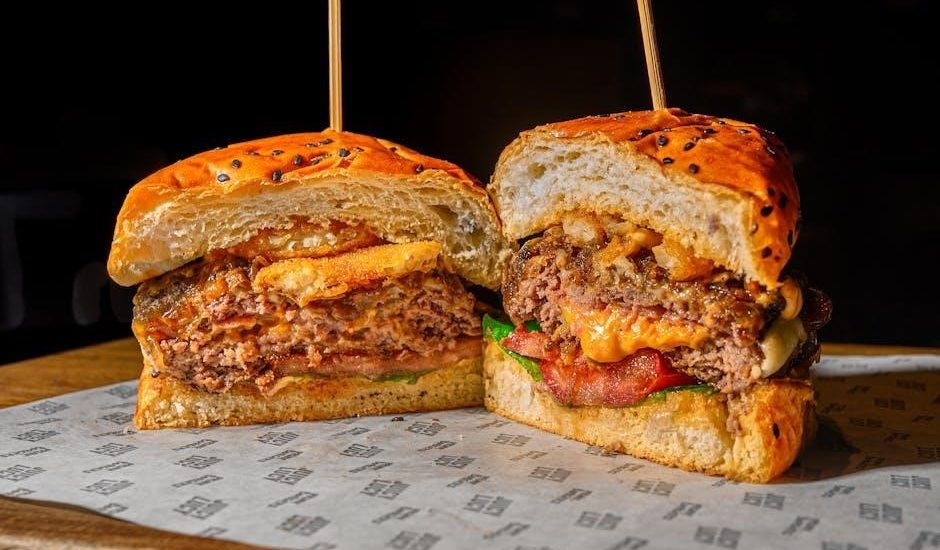
Ted’s Bulletin’s lunch and dinner menus feature reimagined American classics, offering a range of nutritional profiles. Burgers and sandwiches, while satisfying, tend to be higher in protein, fat, and sodium. Portion sizes are generous, contributing to significant calorie counts. The menu emphasizes “made from scratch” preparations, but this doesn’t necessarily equate to lower calorie or fat content; rich sauces and cheese additions can quickly increase the overall nutritional impact.
Alongside heavier entrees, Ted’s Bulletin provides salads and lighter fare, offering options with higher vitamin and mineral content. However, dressings and added toppings can still contribute substantial calories and fats. Careful consideration of side dish choices is also crucial; fries and mac & cheese are calorie-dense, while opting for a side salad or steamed vegetables provides a healthier alternative. Overall, mindful selection and portion awareness are key to navigating the menu.
Burgers & Sandwiches ⏤ Protein, Fat & Sodium Levels
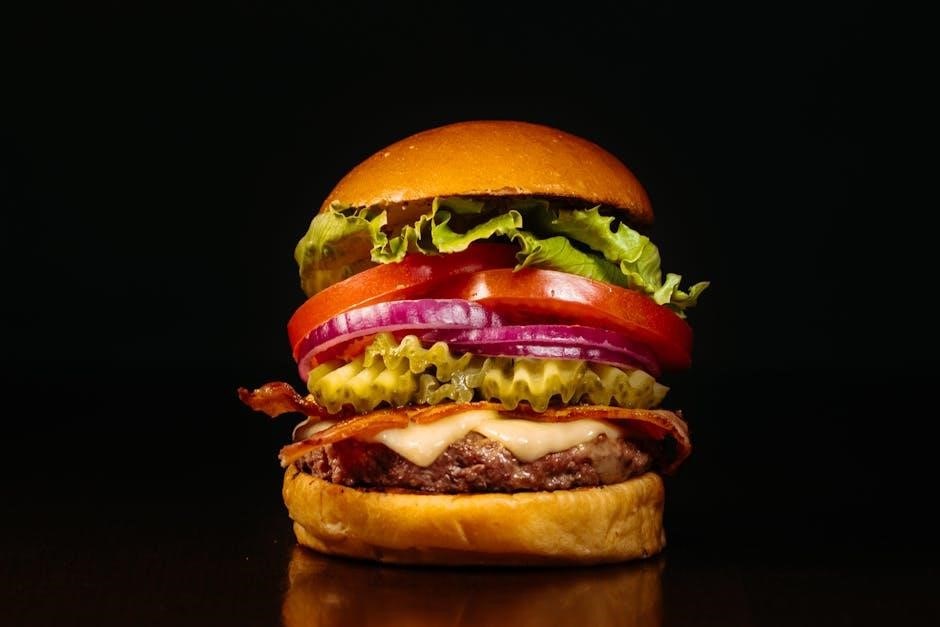
Ted’s Bulletin’s burgers and sandwiches are substantial offerings, generally high in protein due to the beef or chicken content. However, they also contain significant levels of fat, stemming from the meat itself, cheese additions, and sauces. Sodium levels are notably elevated, a common characteristic of restaurant-prepared sandwiches and burgers, often due to seasoning and processed ingredients like bacon or deli meats.
Specific nutritional values vary considerably depending on the chosen burger or sandwich. For instance, burgers with multiple patties or loaded with toppings will naturally exceed sandwiches with leaner protein and simpler preparations. Ted’s Bulletin’s commitment to “made from scratch” doesn’t automatically translate to lower fat or sodium; generous portions and rich ingredients still contribute to higher overall values. Careful consideration of side dishes is also important, as fries or mac and cheese will further increase the meal’s caloric and fat content.
Side Dishes: Healthier Choices & Portion Control
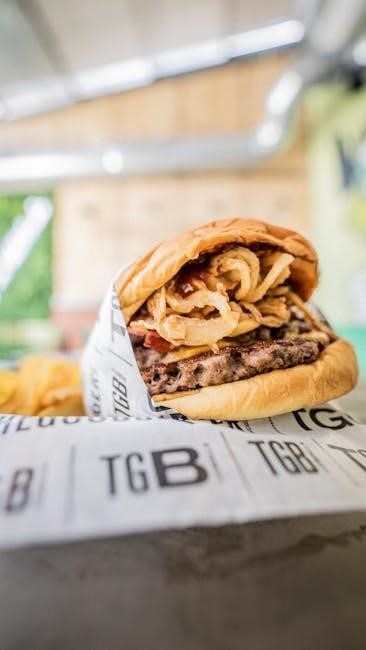
Ted’s Bulletin offers a variety of side dishes alongside its main courses, presenting both opportunities for balanced meals and potential nutritional pitfalls. While classic options like french fries and mac & cheese are undeniably tempting, they contribute significantly to a meal’s overall calorie, fat, and sodium content. Portion control is crucial; even seemingly harmless sides can become calorie-dense when consumed in large quantities.
For those seeking healthier alternatives, consider opting for a side salad with light dressing. While not explicitly detailed in readily available nutrition information, salads generally provide vitamins and fiber. However, be mindful of creamy dressings and added toppings, which can quickly negate the health benefits. A smaller portion of a more indulgent side, paired with a larger portion of a lighter option, can also be a strategic approach. Ultimately, mindful selection and moderation are key to enjoying Ted’s Bulletin while maintaining dietary goals.

Salads & Lighter Fare ⏤ Vitamin & Mineral Content
Ted’s Bulletin’s menu, while known for its comfort food, does include salad options that offer a pathway to increased vitamin and mineral intake. However, detailed nutritional breakdowns, specifically regarding micronutrient content, are not prominently featured in publicly available information like the PDF document. Generally, salads provide essential vitamins like Vitamin A and C, alongside minerals such as potassium and folate, depending on the ingredients used.
The nutritional value is heavily influenced by the salad’s composition. Choices with a variety of colorful vegetables – spinach, tomatoes, carrots – will naturally offer a broader spectrum of nutrients. Be cautious of added ingredients like fried chicken, bacon, or creamy dressings, as these can significantly increase the calorie and fat content, diminishing the health benefits. Opting for vinaigrette-based dressings and lean protein sources will maximize the vitamin and mineral contribution of these lighter fare options at Ted’s Bulletin.
Cocktails & Beverages ⏤ Sugar & Alcohol Considerations
Ted’s Bulletin offers a range of cocktails and beverages alongside its food menu, but detailed nutritional information, particularly concerning sugar and alcohol content, isn’t extensively detailed within the readily accessible PDF document. Alcoholic beverages, by their nature, contribute empty calories and can impact blood sugar levels. Cocktails often include added sugars from mixers, syrups, and fruit juices, significantly increasing their caloric load.
When choosing beverages, mindful consumption is key. Consider opting for drinks with lower sugar content or those served on the rocks to dilute the sweetness. Be aware of portion sizes, as larger cocktails contain more alcohol and calories. Non-alcoholic options like iced tea and lemonade, while refreshing, can also contain substantial added sugars, so moderation is advised. Prioritizing water or unsweetened beverages is the healthiest choice when dining at Ted’s Bulletin.
Homemade Lemonade & Iced Tea ⏤ Hidden Sugars
Ted’s Bulletin’s signature homemade lemonade and iced tea are popular choices, but the PDF nutrition information doesn’t explicitly detail their sugar content. While perceived as refreshing alternatives to sodas, these beverages can harbor a significant amount of added sugar. Traditional lemonade recipes often require substantial sugar to balance the tartness of the lemons, resulting in a high-calorie drink.

Similarly, iced tea, even when unsweetened initially, is frequently served with simple syrup or sugar upon request. These additions quickly elevate the sugar content. Consumers should inquire about the sugar levels or consider requesting unsweetened versions and adding their own sweetener sparingly. Being mindful of these “hidden sugars” is crucial for those monitoring their sugar intake or managing conditions like diabetes. Opting for water with a lemon slice offers a sugar-free, hydrating alternative.
Desserts: Indulgence vs. Nutritional Value
Ted’s Bulletin is renowned for its decadent desserts, including pies and, notably, its extensive mac & cheese variations which often blur the line between entree and dessert. The PDF nutrition information reveals these treats are primarily sources of indulgence, offering limited nutritional value. Expect high calorie counts, substantial fat content – particularly saturated and trans fats – and significant amounts of added sugar.
While enjoyable in moderation, these desserts should be considered occasional treats rather than staples of a healthy diet. The PDF details the calorie and macronutrient breakdown for each dessert, allowing informed choices. Portion control is key; sharing a dessert or opting for a smaller serving can help mitigate the impact on daily caloric intake. Prioritizing whole, unprocessed foods throughout the day can create a balance, allowing for occasional dessert enjoyment without significant dietary compromise.
Mac & Cheese Variations ⎯ Calorie & Fat Content
Ted’s Bulletin’s signature mac & cheese comes in numerous variations, each boasting a unique flavor profile but sharing a common characteristic: high calorie and fat content, as detailed in the nutrition PDF. The base mac & cheese itself is already a substantial dish, and additions like bacon, pulled pork, or lobster significantly increase these values.
The PDF reveals that a single serving can easily exceed 800-1200 calories, with a considerable portion derived from fat – often surpassing 50 grams. Sodium levels are also notably high due to the cheese sauce and added ingredients. While undeniably delicious, these mac & cheese options should be consumed mindfully. Consider sharing a portion or pairing it with a lighter side, like a salad, to balance the meal. The PDF provides a detailed breakdown, enabling informed decisions for those tracking their intake.
Pie Selection ⎯ Sugar & Fat Analysis
Ted’s Bulletin is renowned for its homemade pies, a tempting finale to any meal, but the nutrition PDF reveals a significant sugar and fat content across the selection. Classic options like apple, cherry, and pecan pie are undeniably rich, with a single slice often containing upwards of 400-600 calories.

The majority of these calories stem from sugars and fats, primarily from the crust and fillings. Pecan pie, in particular, stands out with its high fat content due to the abundance of nuts. While the PDF doesn’t specify exact breakdowns for each pie, it consistently demonstrates that these desserts are indulgent treats best enjoyed in moderation. The document highlights that portion control is key when savoring these sweet offerings. Consider sharing a slice or opting for a smaller dessert alternative if you’re mindful of your sugar and fat intake.
Navigating Ted’s Bulletin for Dietary Needs
Ted’s Bulletin’s nutrition PDF serves as a crucial resource for diners with specific dietary requirements, though navigating it requires careful attention. The document details calorie counts, macronutrient breakdowns, and allergen information for most menu items, enabling informed choices. However, it’s important to note that the PDF may not encompass every single variation or customization available.
Individuals with gluten sensitivities, vegetarian preferences, or allergies will find sections dedicated to identifying suitable options. While Ted’s Bulletin offers some gluten-free choices and limited vegetarian alternatives, the PDF clarifies that cross-contamination is possible. Detailed ingredient lists are provided, allowing those with allergies to assess potential risks. The PDF encourages customers to communicate their needs directly with staff for accurate information and safe meal preparation. Proactive communication is vital for a positive dining experience.
Gluten-Free Options & Considerations
Ted’s Bulletin’s nutrition PDF identifies a selection of menu items that are naturally gluten-free or can be modified to accommodate gluten sensitivities. However, the document explicitly states a significant disclaimer: cross-contamination is a possibility during food preparation. This is due to the shared kitchen environment where gluten-containing ingredients are handled.
The PDF doesn’t provide an exhaustive list of all potential cross-contamination risks, emphasizing the importance of direct communication with restaurant staff. Diners with celiac disease or severe gluten allergies should inquire about preparation methods and ingredient sourcing. While some breakfast options and salads may be adaptable, the PDF advises caution with sauces, dressings, and fried items. Ted’s Bulletin strives to be accommodating, but relies on customer awareness and proactive questioning to ensure a safe dining experience for those with gluten-related concerns.
Vegetarian & Vegan Choices ⏤ Limited Availability
Ted’s Bulletin’s nutrition information PDF reveals limited dedicated vegetarian and even fewer vegan options. The menu heavily features meat-based dishes, and while some sides like the mac & cheese (with modifications) or salads can be adapted for vegetarians, truly plant-based choices are scarce. The PDF doesn’t explicitly detail vegan modifications for many items, requiring diners to inquire directly with staff.
The document highlights that many seemingly vegetarian dishes may contain hidden animal products, such as chicken broth in soups or non-vegetarian rennet in cheeses. Vegan diners will find it particularly challenging to navigate the menu without extensive customization. Ted’s Bulletin isn’t specifically geared towards plant-based diets, and the PDF reflects this. Individuals following a vegetarian or vegan lifestyle should be prepared to ask detailed questions about ingredients and preparation methods to ensure their dietary needs are met.

Allergies & Ingredient Transparency
Ted’s Bulletin’s nutrition information PDF provides limited detail regarding specific allergens within each dish. While the menu emphasizes “made from scratch” preparations, the PDF doesn’t offer a comprehensive allergen chart identifying common triggers like nuts, dairy, soy, or gluten beyond basic ingredient lists. This lack of detailed transparency necessitates direct communication with restaurant staff for individuals with allergies.
The document suggests that cross-contamination is possible in the kitchen due to shared cooking surfaces and equipment. Diners with severe allergies are advised to inform their server and kitchen staff about their restrictions. Ted’s Bulletin encourages open communication to accommodate dietary needs, but the PDF itself doesn’t proactively offer this information. It’s crucial to verify ingredient sources and preparation methods to avoid potential allergic reactions, as the PDF’s data is not exhaustive in allergen identification.
Accessing Ted’s Bulletin Nutrition Information (PDF)
Ted’s Bulletin makes its nutritional information available to customers in a PDF format, though locating it requires some effort. Currently, a direct link to the PDF isn’t prominently displayed on the main menu page of their website (https://www.tedsbulletin.com/menus/). Users typically need to search specifically for “Ted’s Bulletin nutrition information PDF” using a search engine to find the document.
The PDF itself is a multi-page document detailing calorie counts, fat content, carbohydrates, protein, and sodium levels for most menu items. However, it’s not an interactive document; data is presented in a static table format. The PDF is periodically updated, but the version date isn’t always clearly indicated, so it’s important to confirm you’re viewing the most current information. Finding the PDF requires proactive searching, as Ted’s Bulletin doesn’t readily advertise its availability online.
Where to Find the Official PDF Document
Locating the official Ted’s Bulletin nutrition information PDF isn’t straightforward. It’s not directly linked on their website’s menu pages (https://www.tedsbulletin.com/menus/). The most reliable method involves utilizing a search engine – Google, Bing, or similar – and specifically searching for the phrase “Ted’s Bulletin nutrition information PDF”.
This search typically yields results pointing to third-party websites that host the document, or directly to a PDF hosted on a document-sharing platform. Be cautious when downloading from unfamiliar sources; always verify the file’s origin to ensure it’s the legitimate Ted’s Bulletin document. Alternatively, contacting Ted’s Bulletin directly through their customer service channels (phone or email) and requesting the PDF is a guaranteed way to obtain the official version. Expect a potentially delayed response via email.

Understanding the PDF Format & Data Presentation
The Ted’s Bulletin nutrition information PDF, when obtained, presents data in a standardized format common for restaurant nutritional disclosures. Expect a table-based layout, listing each menu item individually. Key nutritional facts are provided per serving, including calorie count, total fat (with saturated and trans fat breakdowns), cholesterol, sodium, total carbohydrates (including dietary fiber and sugars), and protein.
The PDF also details vitamin and mineral content, expressed as a percentage of Daily Value (%DV). Portion sizes are clearly indicated, which is crucial for accurate assessment. Be mindful that these values are estimates and can vary slightly due to ingredient sourcing and preparation methods. Ted’s Bulletin’s “made from scratch” approach may introduce minor variations. The document may also include allergen information, aiding those with dietary restrictions.
Tips for Making Healthier Choices at Ted’s Bulletin
Leveraging the Ted’s Bulletin nutrition information PDF empowers informed dining. When enjoying their all-day breakfast, consider sharing a larger portion of French Toast or opting for egg-white omelets. For lunch or dinner, choose grilled or baked protein sources over fried options. Be mindful of side dishes; selecting a side salad instead of fries significantly reduces calorie and fat intake.
When indulging in burgers or sandwiches, request modifications like whole-wheat buns or lettuce wraps. Pay attention to portion sizes – consider taking half home. Regarding beverages, prioritize water or unsweetened iced tea over sugary cocktails or lemonade. Desserts are best enjoyed as occasional treats, perhaps shared with others. Utilizing the PDF allows you to proactively balance indulgence with nutritional awareness at Ted’s Bulletin.