Functional Manual Therapy: A Comprehensive Overview
Functional Manual Therapy (FMT) is a holistic‚ patient-centered approach focusing on restoring optimal movement and function throughout the entire body‚ positively impacting lives.
What is Functional Manual Therapy?
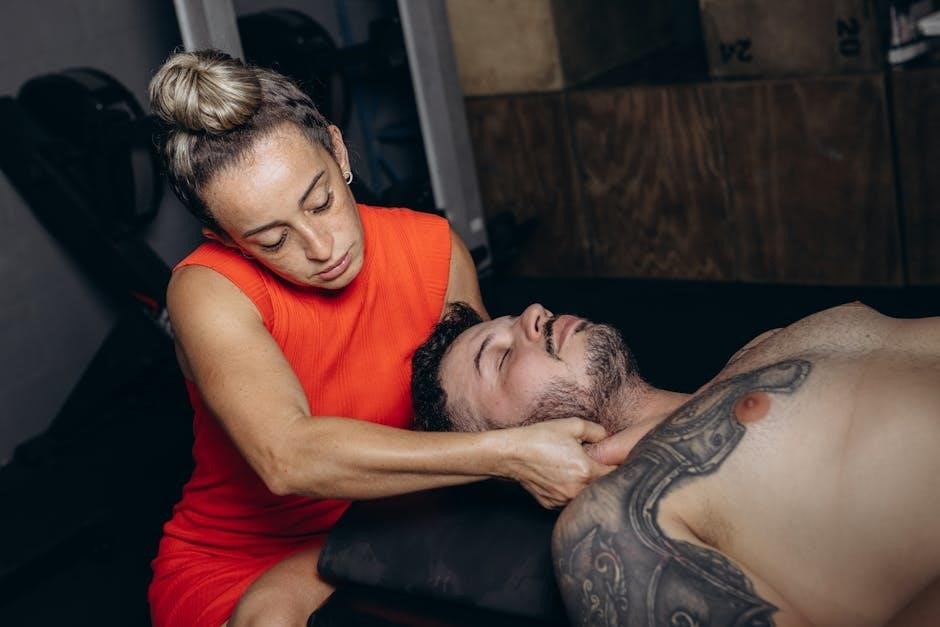
Functional Manual Therapy (FMT) represents a specific approach to manual therapy‚ distinguished by its comprehensive and integrated methodology. Unlike techniques focusing on isolated symptoms‚ FMT prioritizes a whole-body assessment to identify the root causes of dysfunction; It’s a hands-on treatment approach utilizing skilled palpation to map soft tissue structures rhythmically‚ aiming to improve patient movement and alleviate pain.

FMT isn’t merely about manipulating joints or soft tissues; it’s about understanding how these components interact within complex movement patterns. Therapists employ techniques like soft tissue mobilization‚ joint mobilization‚ and muscle energy techniques to restore proper biomechanics. The ultimate goal extends beyond pain relief – it’s about functional re-education‚ retraining lost functions through targeted exercises and movement strategies‚ ultimately empowering patients to regain confidence and a better quality of life.
Historical Context and Evolution
Functional Manual Therapy (FMT) didn’t emerge in a vacuum; it’s built upon decades of evolution within the fields of osteopathy and traditional manual therapy. Early observations highlighted commonalities between these approaches‚ recognizing the interconnectedness of the body’s systems. However‚ FMT distinguishes itself by moving beyond simply addressing symptoms to identifying and correcting underlying functional impairments.
The development of FMT involved a shift towards a more physiologically-focused perspective‚ prioritizing safety and efficacy. While osteopathic techniques share roots with manual therapy‚ FMT emphasizes a nuanced understanding of movement patterns and their impact on overall function. This evolution led to the integration of advanced assessment and treatment techniques‚ focusing on restoring optimal biomechanics and empowering patients through functional re-education. FMT continues to refine its approach‚ incorporating evidence-based practice to deliver transformative results.
The Core Principles of FMT
Functional Manual Therapy (FMT) operates on several key principles. First‚ a whole-body assessment is crucial‚ recognizing that pain or dysfunction in one area often stems from impairments elsewhere. Secondly‚ FMT emphasizes the integration of movement patterns‚ understanding how the body functions as a unified system‚ not isolated parts.
Central to FMT is the concept of functional re-education – retraining lost or inefficient movement strategies. This isn’t merely about symptom relief; it’s about restoring optimal biomechanics and empowering patients to regain control of their bodies. Furthermore‚ patient-centered care is paramount‚ tailoring treatment to individual needs and goals. FMT utilizes gentle‚ pain-free techniques‚ targeting motions like flexion and rotation with precise body positioning and pressure. Ultimately‚ FMT aims to improve mobility‚ reduce pain‚ and enhance confidence through a truly transformative approach.

Techniques Used in Functional Manual Therapy
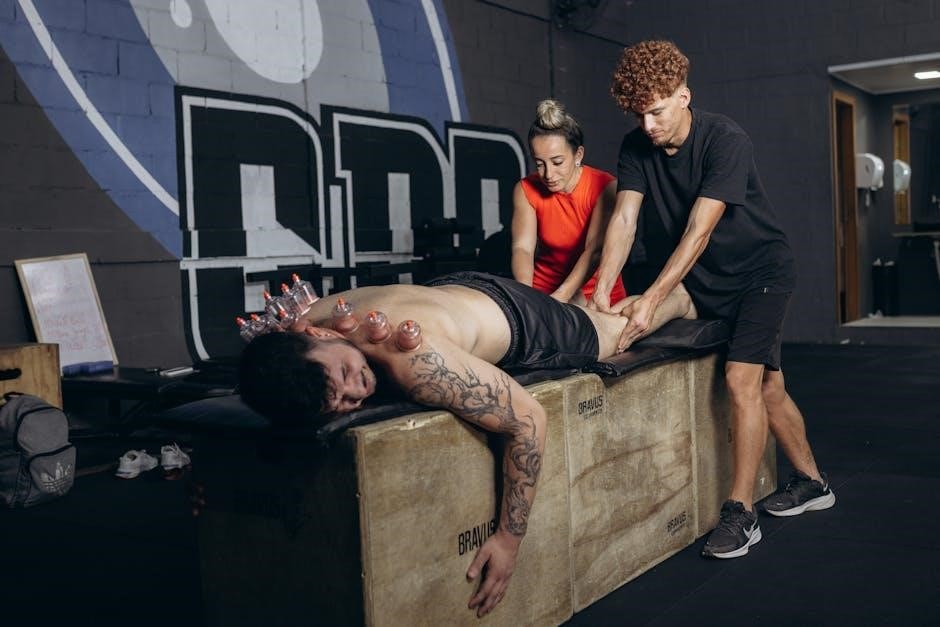
FMT employs diverse techniques‚ including soft tissue mobilization‚ joint mobilization‚ muscle energy techniques‚ myofascial release‚ and targeted neuromuscular techniques for optimal results.
Soft Tissue Mobilization
Soft tissue mobilization within Functional Manual Therapy (FMT) is a hands-on technique meticulously applied to address restrictions and imbalances within muscles‚ tendons‚ ligaments‚ and fascia. Therapists skillfully map these structures‚ utilizing rhythmic and precisely directed pressure to restore optimal tissue length‚ reduce adhesions‚ and enhance overall tissue mobility.
This isn’t merely a superficial massage; it’s a detailed assessment and treatment process. The goal is to release tension patterns that contribute to pain and dysfunction‚ improving range of motion and facilitating more efficient movement. FMT practitioners don’t just treat symptoms; they address the underlying causes of soft tissue limitations‚ considering how these restrictions impact the entire kinetic chain.
By restoring proper soft tissue mechanics‚ FMT aims to alleviate pain‚ improve posture‚ and enhance functional capacity‚ allowing individuals to move with greater ease and efficiency. It’s a cornerstone of the FMT approach‚ preparing the body for more advanced interventions.
Joint Mobilization and Manipulation
Joint mobilization and manipulation are integral components of Functional Manual Therapy (FMT)‚ employed to restore proper joint mechanics and address restrictions that impede optimal movement. These techniques‚ performed by skilled practitioners‚ involve applying controlled forces to specific joints to improve their range of motion‚ reduce pain‚ and restore normal function.
FMT distinguishes between mobilization – gentle‚ rhythmic movements to restore joint play – and manipulation – a higher-velocity‚ lower-amplitude thrust to address specific joint restrictions. The choice of technique is carefully determined based on a thorough assessment of the individual’s condition and biomechanical presentation.
Crucially‚ FMT doesn’t treat joints in isolation. Therapists consider the interconnectedness of the entire body‚ recognizing how joint dysfunction can impact surrounding tissues and movement patterns. The aim is to restore harmonious joint mechanics‚ facilitating efficient and pain-free movement throughout the kinetic chain.
Muscle Energy Techniques
Muscle Energy Techniques (MET) within Functional Manual Therapy (FMT) utilize the patient’s own muscle contractions to correct joint imbalances and restore optimal biomechanics. This patient-active approach differs significantly from passive techniques‚ engaging the individual in their healing process.
The therapist guides the patient through specific contractions of targeted muscles‚ applying gentle resistance to encourage a desired movement. These contractions are carefully controlled in terms of direction‚ magnitude‚ and timing‚ aiming to lengthen shortened muscles‚ strengthen weak ones‚ and reposition joints.
MET is particularly effective in addressing muscle guarding and reciprocal inhibition‚ restoring normal muscle length-tension relationships. FMT practitioners skillfully integrate MET into a broader treatment plan‚ recognizing its role in improving joint mobility‚ reducing pain‚ and enhancing overall functional movement patterns. It’s a dynamic and collaborative technique.
Myofascial Release
Myofascial Release (MFR)‚ a key component of Functional Manual Therapy (FMT)‚ addresses restrictions within the body’s fascial system – the interconnected web of connective tissue surrounding muscles‚ bones‚ and organs. These restrictions can contribute to pain‚ limited movement‚ and postural imbalances.
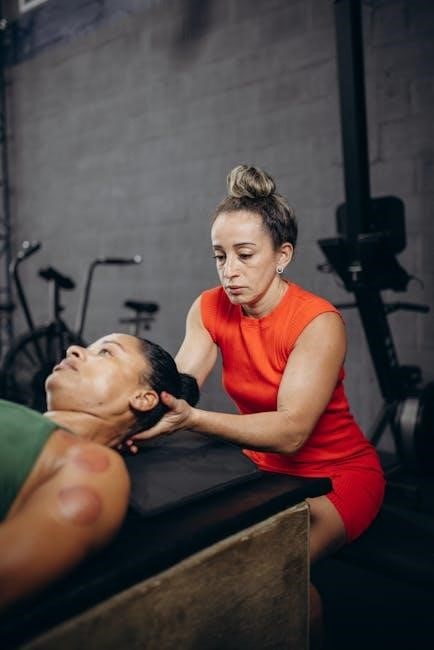
FMT practitioners employ gentle‚ sustained pressure into fascial restrictions‚ encouraging the tissue to release and return to its natural length and flexibility. Unlike deep tissue massage‚ MFR focuses on releasing broader areas of tension rather than targeting specific muscle knots.
The technique aims to restore optimal fascial glide‚ allowing for improved muscle function and joint mobility. MFR is often incorporated into a comprehensive FMT treatment plan‚ recognizing the fascia’s integral role in whole-body movement and postural control. It’s a subtle yet powerful approach to restoring functional integrity.
Neuromuscular Techniques
Neuromuscular Techniques (NMT) within Functional Manual Therapy (FMT) focus on addressing muscle imbalances and restoring proper neuromuscular control. These techniques recognize that pain and dysfunction often stem from altered patterns of muscle activation and inhibition.
FMT practitioners utilize NMT to identify and correct specific muscle weaknesses or overactivity. This often involves applying manual pressure to trigger points – hyperirritable spots within muscles – to release tension and restore normal muscle function.
Postural re-education and functional exercises are integral to NMT‚ retraining the nervous system to activate muscles correctly during movement. The goal is not simply to relieve pain‚ but to address the underlying neuromuscular imbalances contributing to the problem. This holistic approach ensures lasting improvements in movement patterns and overall function‚ enhancing the body’s natural healing capabilities.
Applications of Functional Manual Therapy
Functional Manual Therapy (FMT) effectively addresses diverse conditions‚ including shoulder pain‚ tendinopathy‚ spinal dysfunction‚ postural imbalances‚ and even neurological challenges.
Shoulder Pain and Rotator Cuff Injuries
Functional Manual Therapy (FMT) demonstrates significant efficacy in managing shoulder pain and rotator cuff injuries‚ offering a comprehensive alternative or adjunct to traditional treatments. A systematic review and meta-analysis‚ like the one conducted by Liu‚ Chen‚ and Shi‚ supports this claim‚ highlighting improvements in both pain levels and shoulder function.
FMT practitioners don’t solely focus on the injured rotator cuff muscles; instead‚ they assess and address the entire kinetic chain – from the spine and scapula to the shoulder joint itself. Techniques target motions like flexion‚ adduction‚ medial rotation‚ and posterior-anterior glides‚ utilizing the therapist’s body position and gentle pressure.
This approach aims to restore proper biomechanics‚ reduce muscle imbalances‚ and optimize movement patterns‚ ultimately alleviating pain and improving range of motion. Functional re-education plays a crucial role‚ retraining patients to utilize correct movement strategies‚ preventing re-injury and promoting long-term shoulder health. The goal is not just pain relief‚ but a return to optimal functional capacity.
Management of Tendinopathy
Functional Manual Therapy (FMT) presents a valuable approach to the management of tendinopathy‚ recognizing that pain isn’t always localized to the tendon itself. Manual therapies‚ generally‚ have long been advocated for this condition‚ and FMT builds upon this foundation with a whole-body perspective. The core principle involves identifying and addressing underlying biomechanical dysfunctions contributing to the tendon’s overload.
Rather than solely focusing on the affected tendon‚ FMT practitioners assess movement patterns‚ joint mobility‚ and soft tissue restrictions throughout the kinetic chain. Techniques like soft tissue mobilization and joint mobilization are employed to restore optimal mechanics and reduce stress on the tendon.
A systematic review of the literature aims to determine the efficacy of manual therapies‚ including FMT‚ in treating tendinopathy. Functional re-education is then implemented to retrain movement patterns‚ ensuring the tendon is loaded appropriately and preventing recurrence. This holistic strategy aims to facilitate healing and restore pain-free function.
Spinal Dysfunction and Pain
Functional Manual Therapy (FMT) offers a comprehensive approach to addressing spinal dysfunction and associated pain‚ moving beyond simply treating symptoms. It acknowledges that spinal pain often stems from interconnected issues throughout the body‚ not just localized problems within the spine itself. A thorough‚ whole-body assessment is crucial to identify the root causes of the dysfunction.
FMT practitioners utilize hands-on techniques‚ including soft tissue mobilization and joint mobilization‚ to restore proper movement and reduce restrictions in the spinal segments and surrounding tissues. These techniques are applied with a focus on rhythmically mapping soft tissue structures.
Furthermore‚ FMT emphasizes functional re-education to retrain movement patterns and improve spinal stability. This involves exercises designed to restore optimal biomechanics and prevent future episodes of pain. The goal is to empower patients to regain control of their movement and live pain-free‚ active lives.
Postural Correction and Re-education
Functional Manual Therapy (FMT) recognizes that poor posture is often a consequence‚ not a cause‚ of underlying movement impairments. Therefore‚ postural correction within FMT isn’t about simply “fixing” a posture‚ but rather addressing the functional deficits that contribute to it. A comprehensive assessment identifies the specific movement patterns that are driving the postural distortions.
Techniques employed include soft tissue mobilization to release tension in muscles that contribute to poor posture‚ and joint mobilization to restore proper spinal alignment and movement. However‚ the core of postural correction lies in functional re-education.
This involves retraining patients to adopt more optimal movement patterns through targeted exercises performed on mats‚ re-education boards‚ or even in water. The aim is to integrate these new movement patterns into daily activities‚ leading to lasting postural improvements and reduced strain on the body.
Neurological Conditions
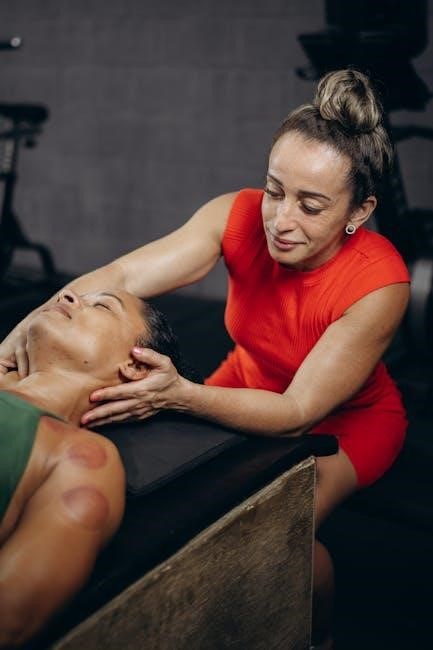
Functional Manual Therapy (FMT) demonstrates potential benefits in addressing movement impairments associated with various neurological conditions. While not a cure‚ FMT can play a valuable role in improving function and quality of life for individuals affected by neurological challenges.
The holistic approach of FMT allows therapists to identify and address compensatory movement patterns that develop after neurological events like stroke or traumatic brain injury. By focusing on restoring optimal movement strategies‚ FMT can help improve balance‚ coordination‚ and overall mobility.
Techniques such as soft tissue mobilization and gentle joint mobilization can address muscle spasticity and rigidity often present in neurological conditions. Crucially‚ functional re-education is central‚ retraining lost functions through targeted exercises and movement integration‚ fostering neuroplasticity and improved motor control.

The Holistic Approach of FMT
FMT’s unique‚ whole-body assessment integrates movement patterns‚ prioritizing functional re-education and patient-centered care for truly transformative and lasting positive outcomes.
Whole-Body Assessment
A cornerstone of Functional Manual Therapy (FMT) is the comprehensive whole-body assessment‚ moving beyond simply identifying the site of pain. This detailed evaluation meticulously maps the intricate relationships between various body segments and their impact on overall movement patterns. Therapists don’t isolate symptoms; instead‚ they investigate how seemingly distant areas contribute to functional limitations.
This assessment isn’t merely a checklist of motions; it’s a dynamic process observing how the patient moves. It involves analyzing posture‚ gait‚ and specific functional tasks to reveal compensations and restrictions. The goal is to uncover the root cause of dysfunction‚ not just treat the immediate symptom.
FMT practitioners skillfully palpate tissues‚ assess joint mobility‚ and evaluate neurological function to build a complete picture. This thorough approach allows for a personalized treatment plan addressing the entire kinetic chain‚ leading to more effective and lasting results. It’s about understanding the ‘why’ behind the pain‚ not just the ‘where’.
Integration of Movement Patterns
Functional Manual Therapy (FMT) uniquely emphasizes the integration of movement patterns‚ recognizing the body functions as an interconnected system. Treatment isn’t focused on isolated muscle groups or joints‚ but rather on restoring efficient and coordinated movement throughout the entire kinetic chain. This holistic perspective acknowledges that dysfunction in one area inevitably impacts others.
Therapists analyze how patients perform everyday activities – walking‚ bending‚ lifting – identifying compensatory strategies and movement impairments. The aim is to retrain these patterns‚ promoting fluidity and reducing strain. Functional re-education techniques‚ utilizing mats‚ boards‚ or even aquatic environments‚ are crucial in this process.
FMT doesn’t simply correct a problem; it rebuilds a better way of moving. By addressing the underlying neurological and biomechanical factors‚ patients regain not only pain relief but also improved functional capacity and a greater sense of body awareness. This integrated approach fosters long-term wellness and prevents recurrence.
Functional Re-education
Functional Re-education is a cornerstone of Functional Manual Therapy (FMT)‚ going beyond simply alleviating pain to actively restoring lost function. It’s a dynamic process of retraining the body to move efficiently and effectively‚ addressing the root causes of dysfunction rather than just the symptoms.
This phase utilizes a variety of exercises and activities‚ tailored to the individual’s needs and goals. Therapists employ techniques performed on mats‚ re-education boards‚ parallel bars‚ and even within aquatic environments‚ progressively challenging the patient’s movement capabilities. The focus is on rebuilding proper motor patterns and neuromuscular control.
FMT emphasizes patient participation and active learning. Individuals are guided to understand how their bodies move and why certain movements cause pain. This empowers them to take ownership of their recovery and maintain long-term improvements‚ ultimately enhancing their quality of life and overall well-being.
Patient-Centered Care
Functional Manual Therapy (FMT) fundamentally revolves around Patient-Centered Care‚ recognizing that each individual presents with a unique set of circumstances‚ experiences‚ and goals. This approach moves away from a “one-size-fits-all” model‚ prioritizing the patient’s active involvement in their own healing journey.
A thorough understanding of the patient’s history‚ lifestyle‚ and functional limitations is paramount. Therapists dedicate time to listening‚ observing‚ and collaborating with patients to develop a personalized treatment plan. This plan isn’t simply imposed; it’s co-created‚ ensuring it aligns with the patient’s values and aspirations.
FMT practitioners believe in empowering patients with knowledge and self-management strategies. Education about their condition‚ movement patterns‚ and preventative measures is integral. This fosters a sense of ownership and promotes long-term success‚ leading to transformative and lasting improvements in their overall well-being.

Comparing FMT to Osteopathy and Traditional Manual Therapy
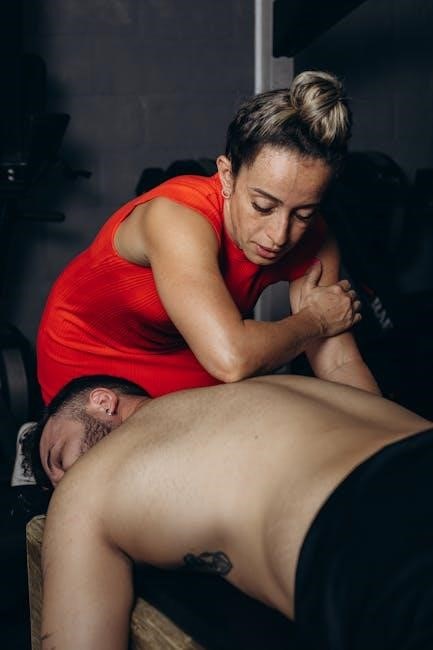
FMT shares common ground with osteopathy and manual therapy‚ yet distinguishes itself through a uniquely holistic‚ whole-body assessment and functional re-education focus.
Similarities and Differences
Functional Manual Therapy (FMT)‚ osteopathy‚ and traditional manual therapy all utilize hands-on techniques to address musculoskeletal dysfunction and pain. They share a foundational belief in the body’s inherent capacity for self-healing and emphasize the interconnectedness of bodily systems. All approaches involve soft tissue mobilization and joint manipulation to restore movement and reduce discomfort.
However‚ key differences exist. Traditional manual therapy often focuses on localized treatment of symptoms‚ while osteopathy incorporates a broader understanding of systemic influences. FMT uniquely emphasizes a comprehensive‚ whole-body assessment to identify the root cause of dysfunction‚ not just treating the site of pain. It integrates movement patterns and functional re-education to retrain lost functions‚ utilizing exercises on mats‚ boards‚ or even in water.
FMT’s approach is notably distinct in its emphasis on restoring optimal movement mechanics‚ rather than simply alleviating pain. This holistic perspective aims for lasting results and improved overall function‚ making it a transformative experience for patients.
Safety Considerations
Functional Manual Therapy (FMT) is generally considered a safe treatment modality when performed by a qualified and experienced practitioner. However‚ as with any manual therapy‚ certain precautions must be observed. A thorough patient history and physical examination are crucial to identify any contraindications‚ such as acute inflammation‚ fractures‚ infections‚ or neurological conditions.
While techniques are designed to be gentle and pain-free‚ some patients may experience mild soreness following treatment‚ similar to that felt after exercise. Open communication between the therapist and patient is vital to ensure comfort and address any concerns. Practitioners must possess a deep understanding of anatomy and biomechanics to avoid causing harm.
FMT prioritizes a patient-centered approach‚ respecting individual limitations and adapting techniques accordingly. It’s essential to seek treatment from a licensed professional trained specifically in FMT to minimize risks and maximize benefits. Proper assessment and careful application of techniques are paramount for a safe and effective experience.
Effectiveness and Evidence-Based Practice
Functional Manual Therapy (FMT) is gaining recognition for its effectiveness in addressing a variety of musculoskeletal and neurological conditions. Research‚ including systematic reviews and meta-analyses‚ suggests positive outcomes for conditions like shoulder pain and rotator cuff injuries‚ demonstrating improvements in pain levels and function.
The efficacy of manual therapies‚ including FMT‚ for tendinopathy is also being investigated‚ with studies exploring its potential to reduce pain and restore movement. While more research is ongoing‚ current evidence supports its use as part of a comprehensive treatment plan.
FMT’s holistic approach‚ focusing on restoring optimal movement patterns‚ aligns with principles of evidence-based practice. Practitioners continually refine their techniques based on patient response and emerging research. The emphasis on functional re-education and patient-centered care contributes to lasting positive changes‚ enhancing mobility‚ reducing pain‚ and improving overall quality of life.